Rubbish collection at Bermondsey Street market
Posted on 03/07/2026
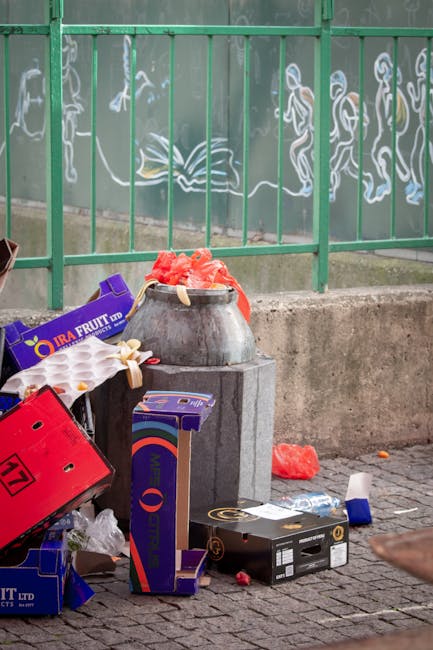
Rubbish collection at Bermondsey Street market: a practical guide for traders, organisers, and nearby businesses
If you run a stall, help organise an event, or manage a business near the market, rubbish collection at Bermondsey Street market is one of those jobs that only feels simple until the bins start overflowing. Cardboard builds up fast. Food waste gets messy by lunchtime. Packaging seems to appear from nowhere. And by the end of a busy market day, the difference between a clean, calm trading area and a stressful one can be as small as one missed collection.
This guide explains how market rubbish collection typically works, what makes it so important in a busy London setting, and how to plan it properly without overcomplicating things. You will also find practical steps, common mistakes, a simple checklist, and a few useful comparisons so you can make a sensible decision. In short: less mess, less hassle, better flow.
Why rubbish collection at Bermondsey Street market matters
Markets live or die on first impressions. A tidy pitch tells people the market is worth lingering in. A pile of flattened boxes, greasy bags, or loose waste near foot traffic does the opposite. At Bermondsey Street market, where visitors may be coming for food, browsing, socialising, or simply enjoying the area, rubbish management has a direct effect on atmosphere, safety, and trade.
There is also the practical side. Waste left on the ground can attract pests, create slip hazards, block access routes, and make it harder for traders to work efficiently. During busy periods, one uncovered food bin can quickly become everyone's problem. That is especially true when the weather turns warm or wet - and, to be fair, London gives you both at the worst possible times.
Well-organised rubbish collection supports:
- cleaner trading areas and better presentation
- faster reset between market sessions
- more manageable food waste and packaging waste
- lower risk of complaints from neighbours or visitors
- a smoother experience for staff, stallholders, and contractors
If you are also thinking about how Bermondsey fits into the wider local picture, the area is known for its mix of food, culture, and practical city living. You may enjoy reading our guide to Bermondsey as a destination for food lovers and art fans for a broader sense of the neighbourhood's character.
Expert summary: Good waste handling is not just about removing rubbish. It is about keeping the market safe, presentable, and workable throughout the day, especially when footfall rises and bins fill faster than expected.
How rubbish collection at Bermondsey Street market works
At market level, rubbish collection usually works as a planned sequence rather than a single event. Stallholders generate waste during setup, trading, and pack-down. The market team, cleaning staff, or a hired collection service then sorts and removes it according to the type of waste produced.
In most real-world setups, the process looks something like this:
- Waste is separated at source. Cardboard, general rubbish, food waste, and recyclable packaging are kept apart where possible.
- Collection points are placed strategically. They need to be easy to reach but not in the way of customers or delivery movement.
- Waste is cleared during the day. This may happen once or several times depending on footfall, weather, and the type of market activity.
- End-of-day clearance happens quickly. The last sweep matters, because waste left overnight is more likely to create smell, spillages, or pest issues.
- Recyclables and residual waste are handled separately. That keeps the process cleaner and often more efficient.
For a busy stretch like Bermondsey Street, timing matters. If collection happens too late, waste can spread into customer areas. Too early, and you may interrupt trading. The sweet spot is usually a system that matches the rhythm of the market itself.
Some traders only need light waste support, while others need a more structured solution. For example, a food stall producing disposable containers and napkins will have different needs from a craft stall mainly dealing with packaging and display materials. A one-size-fits-all approach rarely works for long.
If you are comparing broader options, our services overview gives a useful snapshot of the types of waste and collection support available.
Key benefits and practical advantages
People often think of rubbish removal as a background task. Fair enough, it is not glamorous. But when it is handled properly, the benefits show up everywhere.
| Benefit | What it means in practice | Why it matters at the market |
|---|---|---|
| Cleaner public space | Less visible waste around stalls and walkways | Improves customer perception and comfort |
| Better hygiene | Food scraps and spill-prone waste are removed promptly | Helps reduce odours and mess |
| Safer movement | Bins and bagged waste stay out of key routes | Reduces trip and slip risks |
| Faster pack-down | Waste is already organised for pickup | Saves time at the end of the day |
| Better recycling outcomes | Mixed waste is avoided where possible | Supports greener operations |
There is also a less obvious benefit: confidence. Stallholders tend to work better when they know waste will not become a last-minute headache. Customers notice that calm, tidy energy too. It sounds small, but it adds up.
For traders and organisers who care about sustainability, our recycling and sustainability page is a useful companion resource. It helps frame waste management as part of a bigger, more responsible routine rather than a one-off tidy-up.
Who this is for and when it makes sense
Rubbish collection at Bermondsey Street market is relevant to a few different people, and the needs are not identical. That is the thing. A food vendor facing greasy disposables has different priorities from a market organiser trying to keep the whole site presentable.
This kind of collection makes sense for:
- Market traders who produce packaging, boxes, or food-related waste
- Event organisers running pop-ups, seasonal markets, or special trading days
- Nearby shops and hospitality businesses that need extra clearance support on busy days
- Facilities or operations teams responsible for waste flow and presentation
- Property managers who need regular clearance without disrupting access
It also becomes especially useful when waste volume is unpredictable. One day may be quiet; the next may be packed with visitors, rain, takeaways, and more cardboard than anyone expected. That unpredictability is exactly why a flexible plan beats a casual approach.
If your work around the market includes events elsewhere in Bermondsey, you might also find these Bermondsey party venue ideas handy for broader local context, especially if you organise functions or temporary setups that generate extra waste.
Step-by-step guidance
If you are trying to build a workable rubbish collection routine, keep it simple at first. Fancy systems fail when people do not use them. A clear, repeatable process usually wins.
1. Identify the waste you actually generate
Start with a realistic list: cardboard, shrink wrap, food leftovers, drink containers, broken display items, and general rubbish. Do not guess. Watch one full market day if you can. Most waste plans go wrong because someone assumed the wrong mix.
2. Separate waste streams early
Set up bins or sacks for different waste types before trading begins. Cardboard mixed with food scraps becomes awkward very quickly. Recyclables also become less useful once contaminated. A little discipline early in the day saves a lot of grief later.
3. Decide where waste should be stored temporarily
Storage needs to be accessible but discreet. It should not block customers, deliveries, emergency access, or loading areas. If waste storage is too far away, people will not use it properly. If it is too close, it looks untidy. Somewhere in the middle, usually.
4. Match collection frequency to trading patterns
Busy lunch rush? You may need more than one collection. Quieter sessions? A single end-of-day pick-up might be enough. The point is to align the service with the way the market actually flows, not with an idealised timetable on paper.
5. Keep pack-down tidy and quick
At the end of the day, bag and bundle waste consistently so it can be removed efficiently. Flatten cardboard where possible. Tie sacks securely. This is one of those small habits that makes the whole site look better in minutes.
6. Review and adjust
After a few market days, ask what is building up the fastest and why. Maybe one stall needs a second bin. Maybe the collection time is too late. Maybe the waste station needs clearer signs. Tiny tweaks often make the biggest difference.
Expert tips for better results
Experience tells you a few things that are not obvious on day one. Here are the ones worth keeping in mind.
- Put bins where people naturally pass. If a waste point feels hidden, it will be ignored.
- Use the simplest labels possible. "Cardboard," "general waste," and "food waste" often work better than overcomplicated instructions.
- Keep spare sacks and ties nearby. Waste management stalls when the basics run out.
- Plan for weather. Rain makes cardboard heavy and messy; hot weather speeds up odours. Neither is fun.
- Think about the pack-down route. Waste should move in a straight, calm flow rather than bouncing across customer areas.
- Protect staff backs and time. If sacks are too heavy, they will be handled badly. That is just human nature.
One small but useful trick: have one person responsible for the final waste check. Not because everyone else is unreliable, but because "I thought someone else had done it" is how tidy places stop being tidy. Happens all the time.
If you want to better understand the company behind the service, the about us page is a sensible place to start. Trust matters here, especially where access, timing, and site handling are involved.
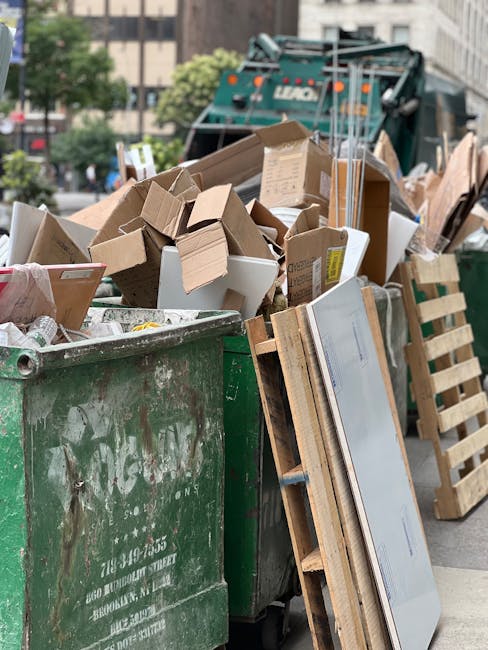
Common mistakes to avoid
The most common waste problems at markets are rarely dramatic. They are small, repeated oversights. Annoying, but fixable.
- Mixing recyclable and non-recyclable waste and hoping someone will sort it later
- Leaving overflow bins unattended during a busy period
- Storing waste too close to customers or seating areas
- Underestimating food waste because the stall "usually doesn't create much"
- Forgetting about cardboard flattening and creating bulky stacks
- Not planning the removal time around market close or cleaning windows
- Assuming one collection type suits every stall
Another mistake is treating waste as an afterthought in setup planning. By the time trading starts, your options are smaller and messier. It is much easier to build the waste flow into the day from the beginning than to patch it together later.
Tools, resources and recommendations
You do not need a huge kit to manage market rubbish well. In fact, too much equipment can slow people down. Keep it functional.
- Heavy-duty refuse sacks for general waste and food-related rubbish
- Flattening tools or simple cutting tools for cardboard, used safely
- Clearly marked bins or tubs for source separation
- Gloves and basic handling gear for staff safety
- Reusable labels for identifying waste stations
- Spare ties, tape, and liners for fast end-of-day wrap-up
For businesses that need broader help beyond market days, it can make sense to look at the wider waste setup too. Our pages on waste removal support in Bermondsey and general rubbish collection in Bermondsey are useful if you are dealing with mixed or recurring waste streams across different settings.
If the market is tied to a renovation or build-out, then builders waste disposal in Bermondsey may also be relevant. If you are clearing plant waste, outdoor displays, or seasonal greenery, garden waste removal can be the better fit. And for larger premises or back-office spaces, office clearance in Bermondsey and house clearance services may be more appropriate than a simple bin collection.
Law, compliance, standards, or best practice
Waste handling in the UK carries practical responsibilities, even when the job looks straightforward. You do not need to turn into a legal expert, but you do need to be careful. That is the honest version.
For market waste, the main best-practice principles are usually:
- Keep waste contained so it does not spill into public areas
- Separate waste streams where practical to improve recycling and reduce contamination
- Use a responsible carrier or service that handles rubbish lawfully and safely
- Avoid fly-tipping or side-street dumping under any circumstances
- Maintain safe access for staff, visitors, and emergency routes
In real life, compliance is often about consistency rather than grand gestures. Good records, clear collection routines, and sensible handling practices go a long way. If a stall or organiser is not sure what should be separated, stored, or removed together, it is better to ask before a pile becomes a problem.
On the service side, it is also worth checking operational details such as payment handling, site safety, and service terms before booking. These pages can help with that: payment and security, insurance and safety, terms and conditions, and privacy policy.
Options, methods, and comparison table
Different market setups need different waste approaches. There is no single perfect answer, which is mildly annoying but true.
| Method | Best for | Pros | Limitations |
|---|---|---|---|
| On-site bins only | Very small waste volumes | Simple and low effort | Can overflow quickly on busy days |
| Scheduled end-of-day collection | Regular stalls with predictable output | Clean finish, easy to plan | May struggle during peak trading |
| Midday plus end-of-day pick-up | Food markets and high-footfall days | Better control, less overflow | Needs more coordination |
| Mixed waste management with recycling separation | Traders aiming to improve sustainability | Cleaner sorting, better environmental practice | Requires clearer staff habits |
If you are not sure which model fits, think about volume first, then timing, then staff capacity. That order matters. People often start with what sounds cheapest. Usually, that is not the real question. The better question is: which method prevents problems before they start?
Case study or real-world example
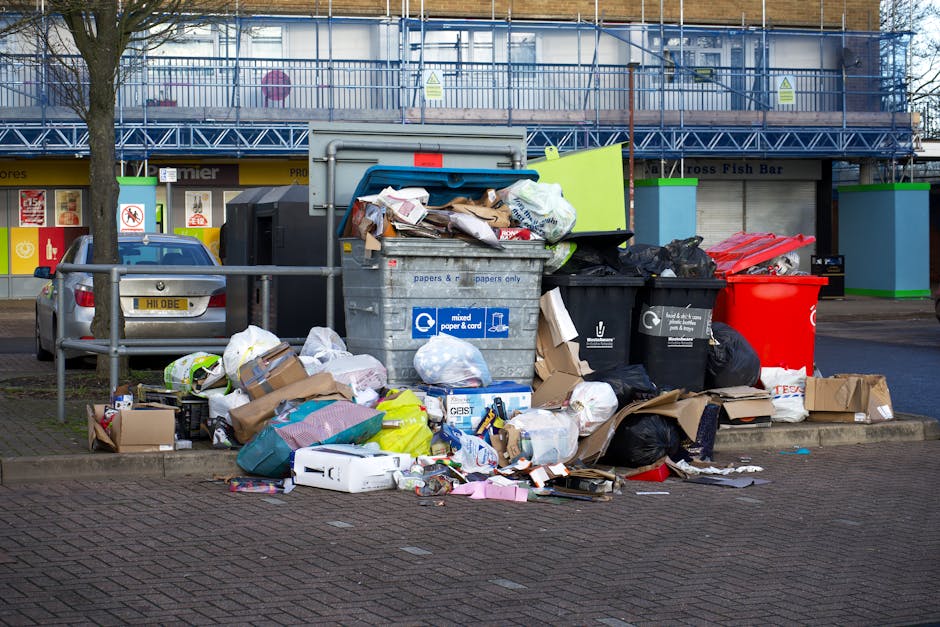
Picture a typical busy Saturday. Several food traders are serving hot items, a couple of stalls are producing a steady stream of boxes and bags, and visitors are moving along Bermondsey Street with coffee cups in hand. By midday, the rubbish situation has changed three times already.
In a well-run setup, the stallholders know exactly where to put waste. Cardboard is flattened as it comes off stock. Food waste goes into sealed containers rather than open bins. Someone checks collection points at set intervals. By the end of the day, the pack-down is brisk rather than chaotic, and the street is left ready for the next session.
Now imagine the opposite. No clear bin locations. Waste bags left near the back of stalls. Cardboard stacked wherever there is space. It only takes one gust of wind, a bit of rain, or a delayed pickup for the whole area to look scrappy. Not ideal. Not even close.
That is why even modest planning pays off. You do not need a flawless system. You need one that people can actually follow.
Practical checklist
Use this checklist before a market day or event.
- Have waste types been identified clearly?
- Are bins or sacks positioned where people will actually use them?
- Is there a plan for cardboard, food waste, and general rubbish?
- Are collection times matched to the trading schedule?
- Has end-of-day clearance been assigned to someone responsible?
- Are spare bags, liners, and ties available?
- Is waste stored away from customers and access routes?
- Are staff aware of what should and should not be mixed?
- Are safety and handling arrangements sensible for heavier bags?
- Has the cleanup plan been reviewed after previous market days?
If you can answer "yes" to most of those, you are already ahead of the curve. If not, that is fine too - it just means the plan needs a bit more structure. Nothing dramatic.
Conclusion
Rubbish collection at Bermondsey Street market is really about keeping a busy, characterful local space working as it should. Done well, it reduces mess, protects safety, supports traders, and helps the market feel welcoming from first cup of coffee to final pack-down. Done badly, everything feels harder than it needs to be.
The good news is that this is one of those jobs where small improvements make a visible difference. Clear waste points. Better timing. Smarter separation. A few habits repeated consistently. That is usually enough to turn a frustrating routine into a smooth one.
Get a free quote today and see how much you can save.
And if you are building a more reliable waste routine for your site, start with the basics, keep it practical, and adjust as you go. A clean market is not just nicer to look at. It feels better to work in, too.
 Tipper Van - Waste Disposal and Rubbish Removal Prices in Bermondsey, SE16
 Luton Van - Waste Disposal and Rubbish Removal Prices in Bermondsey, SE16